


 0330 311 9509
  enquiries@futuresmartcareers.co.uk

Blog
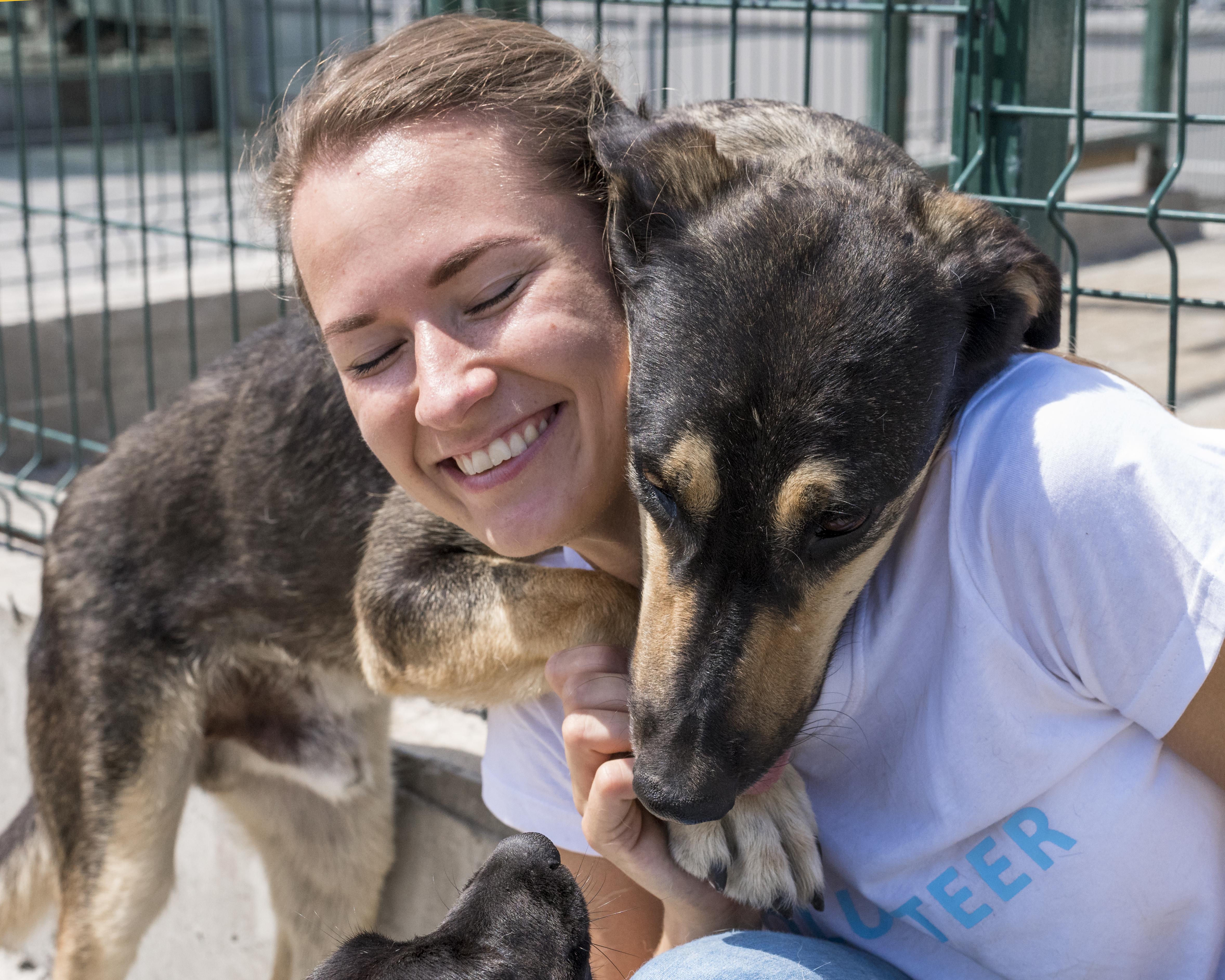
Careers in Animal Care: What are your options?
February 2026
If you’re wild about animals and care about their welfare, you might be surprised by just how many different careers there are available to you. From hands-on animal care to science, conservation, and healthcare, there are roles for people with all kinds of skills and interests. You will require different qualifications and levels of experience for each role. It’s a good idea to think carefully about your skillset, strengths and personality to determine which role will suit you best.
Working with animals is a varied career, and no two days are the same. Animals can be unpredictable and that makes working with animals challenging and exciting!
Here’s a guide to some of the most popular careers working with animals. Explore different careers in the industry and find out how to turn your passion for animals into a rewarding and fulfilling career!
Useful Skills Required
- A genuine love of animals
- The ability to adapt in different situations
- Empathy and patience
- Animal handling knowledge
- A strong stomach when dealing with animal bodily fluids
- Knowledge of animal welfare and safeguarding practices
- Communication skills
- Emotional resilience
- Good stamina and physical fitness
- A willingness to get your hands messy and dirty
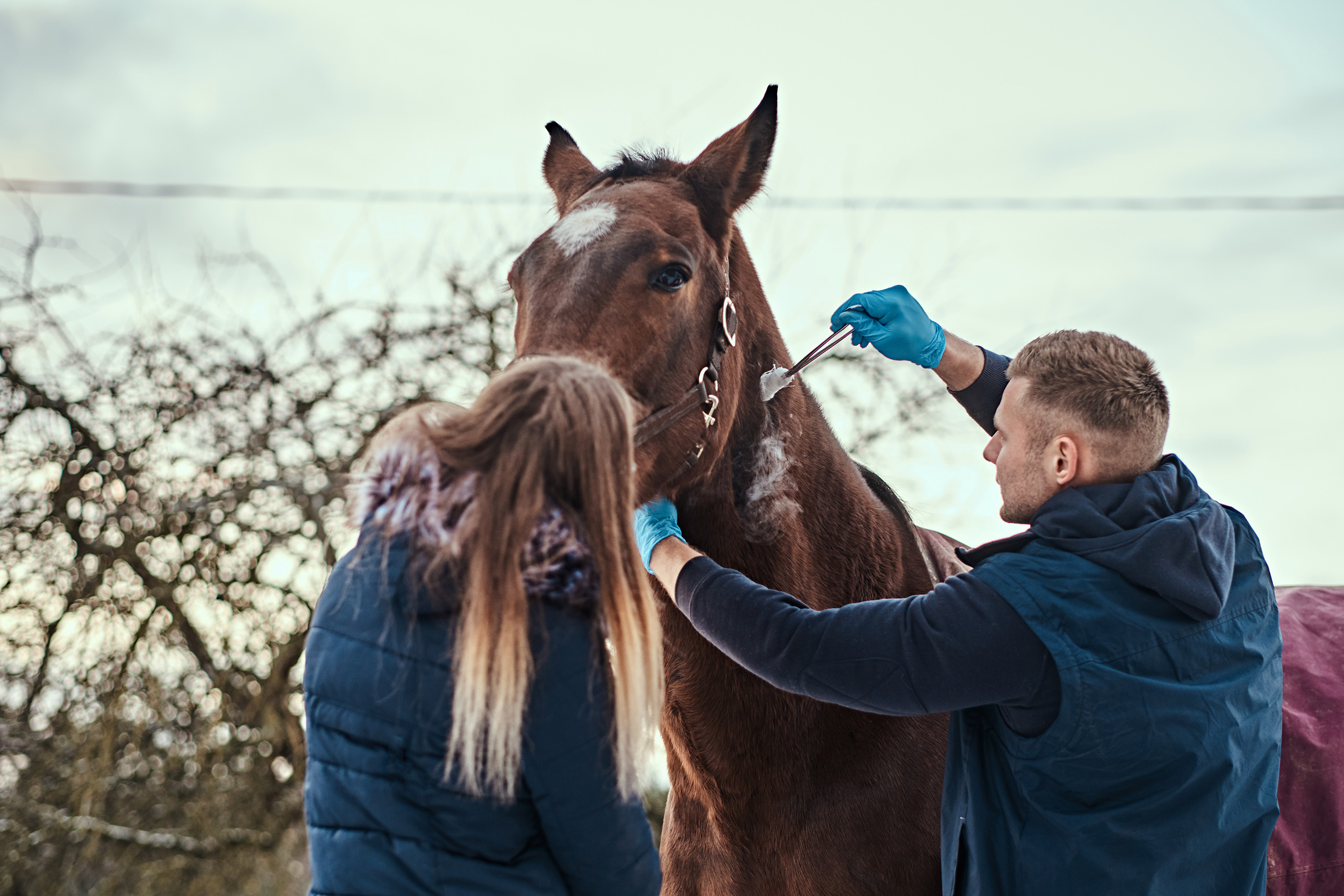
Gaining Relevant Education and Work Experience
The qualifications you will need depend on the animal-related career you choose. Common courses include veterinary science, biology, zoology, animal behaviour and animal welfare studies.
If you plan to attend university to study further education courses in subjects such as veterinary medicine or animal welfare then you should consider taking science-based A-Level subjects, such as chemistry, biology and physics. Some courses will also require you to have A-Levels in maths, statistics or psychology.
Entry to veterinary medicine courses is highly competitive and the selection process is rigorous. Hands-on experience through internships, volunteering, or shadowing will put you at an advantage and make your application to university stand out.
There are a wide range of educational programmes available to help you gain practical experience in your desired field. Some examples of these include:
Volunteering at Blue Cross | Volunteer and help pets
Search Volunteer Opportunities with Wiltshire Wildlife Trust
Explore Different Career Options
There are a wide range of career paths to explore. Each of these career paths will have their own specialities and the level of education and training you will need will differ.
Animal Care Assistant / Animal Keeper
What do they do?
Animal care assistants look after animals in settings such as kennels, shelters, rescue centres, farms, wildlife parks, and zoos. The role involves feeding animals, cleaning living areas, monitoring health, and providing enrichment.
Salary
- £18,000 – £24,000 per year (depending on experience and location) [prospects.ac.uk]
Career pathway
- GCSEs or equivalent (English and maths helpful)
- Level 2 or 3 Animal Care qualifications: Animal Care qualifications and training courses | City & Guilds
- Animal Care & Welfare Apprenticeships: Animal care and welfare assistant (level 2) - apprenticeship training course
- Volunteering or work experience is very important
Useful links
Zookeeper / Animal Keeper (Zoos & Wildlife Parks)
What do they do?
Zookeepers care for animals in zoos, wildlife parks, and aquariums. They manage habitats, monitor animal health, support conservation work, and educate the public.
Salary
- £19,000 – £28,000 per year (starter roles at the lower end; experienced keepers earn more)
Career pathway
- GCSEs and A levels (science subjects useful)
- Animal Management, Zoology, or Biology qualifications
- Apprenticeships such as:
- Animal Care and Welfare Assistant (Level 2)
- Keeper & Aquarist (Level 3) Keeper and aquarist (level 3) - apprenticeship training course
- Strong volunteering and work experience
Useful links
Veterinary Nurse
What do they do?
Veterinary nurses support vets by caring for animals, assisting in surgery, giving medication, carrying out tests, and supporting pet owners.
Salary
- £20,000 – £30,000 per year depending on qualification and experience [prospects.ac.uk]
Career pathway
- GCSEs including English, maths, and science
- Level 3 Veterinary Nursing qualification or degree
- Approved training practice placement
Useful links
Veterinary Surgeon (Vet)
What do they do?
Vets diagnose and treat sick or injured animals, perform surgery, promote animal welfare, and advise owners and farmers.
Salary
- £34,000 – £65,000+ per year (higher with experience or specialism) [prospects.ac.uk]
Career pathway
- Strong GCSEs and A levels (science-based)
- Veterinary Medicine degree (5–6 years) Veterinary Science Subject Guide | About Vet Science At Uni | UCAS
- Registration with the Royal College of Veterinary Surgeons
Useful links
Equine Groom / Stable Worker
What do they do?
Equine grooms care for horses in stables, yards, riding schools, and studs. Duties include grooming, exercising, feeding, and maintaining equipment.
Salary
- £17,000 – £25,000 per year[prospects.ac.uk]
Career pathway
- No formal qualifications needed to start
- Level 2 or 3 Equine qualifications: Equine Qualifications UK CIC - Equine Qualifications UK
- Equine apprenticeships
- Practical experience is essential
Useful links
Wildlife Conservationist / Ecologist
What do they do?
Conservation roles focus on protecting wildlife and habitats. Work may involve field research, habitat management, public education, and environmental projects.
Salary
- £20,000 – £35,000 per year (higher with experience or specialism) [prospects.ac.uk]
Career pathway
- Degree in Ecology, Zoology, Environmental Science, or Conservation: Zoology with Ecology and Conservation at Cornwall College - UCAS
- Volunteering with wildlife organisations
- Postgraduate study for specialist roles
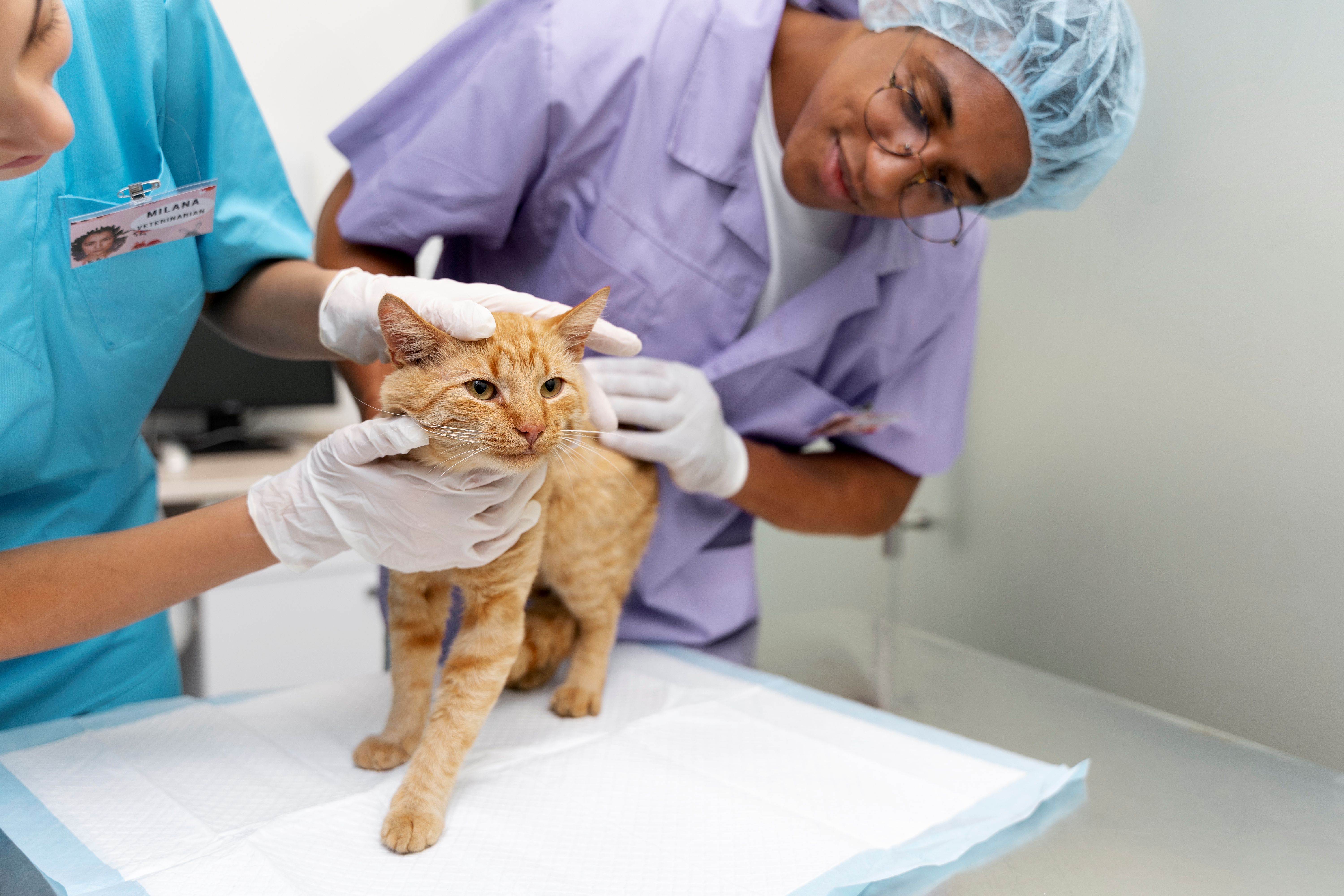
Other Careers you may not have considered
- Dog Groomer: You don’t need any prior experience or qualifications to become a dog groomer; however, specialised training and dog grooming courses can help to solidify your reputation and improve your employability. Dog Grooming Courses | Dog Groomer | Animal Courses Direct
- Working on a farm with livestock: Farm worker | Explore Careers | National Careers Service
- Dog Walker or Pet Sitter: While there are no formal qualifications required for these roles, obtaining a qualification in animal first aid, animal behaviour or animal care would be beneficial. You should be DBS checked and be registered with the National Association of Registered Petsitters. If you wish to board pets in your own home, you may need a license.
National Association of Registered Petsitters
Petpals Pet Care Jobs and Vacancies
- Dog Trainer or Behaviourist: To become a dog trainer, you will need to be formally trained. There are many registered training providers, one of the leading education providers for Dog Trainers and Behaviourists is the IMDT: Dog Trainer Courses | Dog Trainer Qualification | Dog Behaviour Course | IMDT.
You could even become a dog trainer for therapy dogs or guide dogs: Guide Dogs Academy | Guide Dogs UK.
Useful links & Resources
- [prospects.ac.uk]
- RSPCA - Apprenticeships and internships
- The College of Animal Welfare (CAW) | Veterin ... | CAW
- Agriculture, animals, horticulture and the environment | Apprenticeship Industry Guide
- Top 17 popular jobs for animal lovers in the UK | Indeed.com UK
- Apprentice and Student Programmes - PDSA
- Animal Management Courses & Apprenticeships | Berkshire
- Technicals in Animal Care Management and Equine Care Management qualifications and training courses | City & Guilds
- Advice on Careers | Animal Career Support | Animal Careers
Conclusion
Working with animals can be rewarding, but also competitive and demanding. What makes a difference is:
- Gaining experience early
- Volunteering whenever you can
- Keeping an open mind about different paths
- Building transferable skills like teamwork and communication
There isn’t just one route into animal careers — apprenticeships, college courses, and university options all play a role.
At FutureSmart Careers, we have fully qualified careers advisers ready to help. Our mission is to provide careers guidance, knowledge and resources so that young people can make confident and informed choices about their futures. If you would like careers guidance or support for students in your school, college or child, please get in touch at enquiries@futuresmartcareers.co.uk.
Images sourced from Freepik.






Copyright 2019 FutureSmart Careers | Privacy Notice | Website designed by The Smarter Web Company
FutureSmart Careers Limited Reg. No 11968993 (Registered in England & Wales). Registered office. 64 Arbutus Drive, Bristol, BS9 2PN